Feature An authored cultural-economics feature · Review edition
How the Death of Alternative Weeklies Changed the Ecology of Local Music

Cover key · 10 covers · 9 markets
- SeattleThe Rocket · — The Rocket was a monthly music paper, not a weekly.Illustration: Norman Hathaway · art direction: Art Chantry · Robert Newman collection.editorial-reproduction · reuse clearance outstanding · Source record ↗ · Full original ↗
- New YorkThe Village Voice · The Village Voice · design era of Milton Glaser · Village Voice archive scan.editorial-reproduction · reuse clearance outstanding · Source record ↗ · Full original ↗
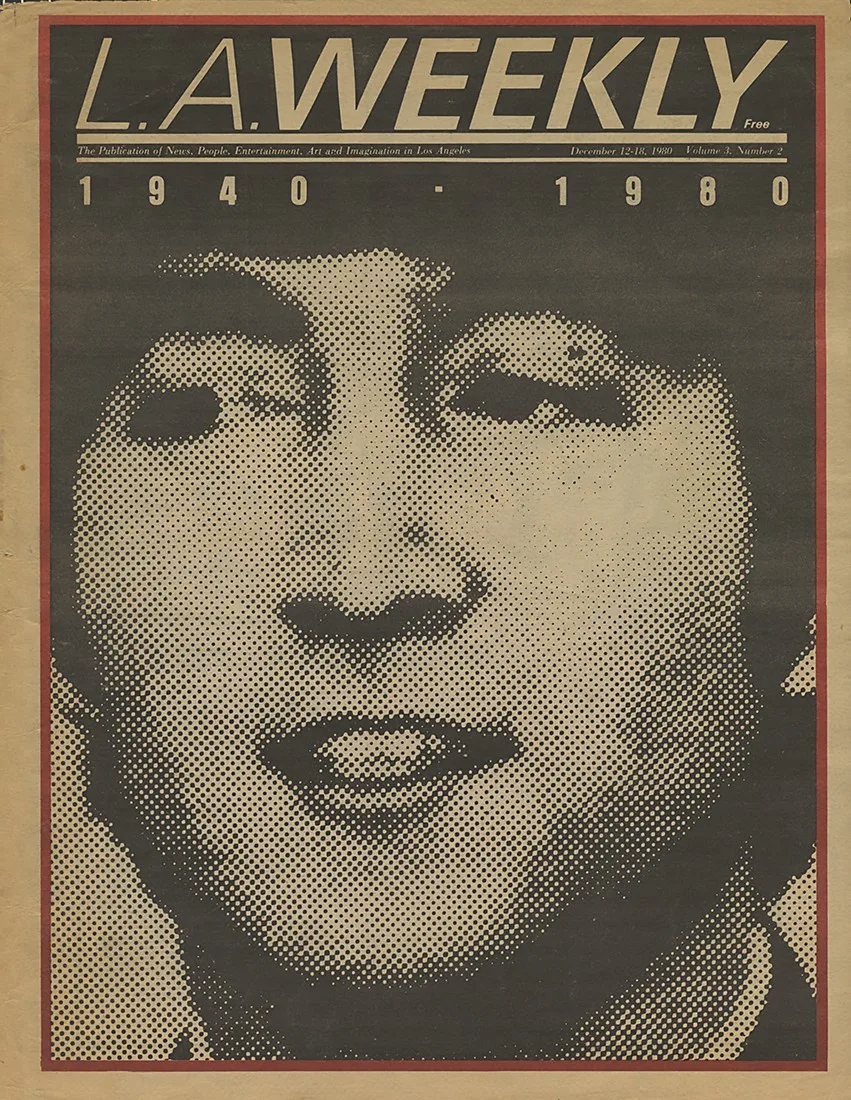
- Los AngelesL.A. Weekly · L.A. Weekly · scan by J.J. Englender / ADSAUSAGE via L.A. TACO.editorial-reproduction · reuse clearance outstanding · Source record ↗ · Full original ↗
- BostonThe Boston Phoenix · The Boston Phoenix · reproduced by Nieman Lab.editorial-reproduction · reuse clearance outstanding · Source record ↗ · Full original ↗
- DenverWestword · — The publisher identifies this as the 1984 original Best of Denver cover.Illustration: Buddy Hickerson · Westword.editorial-reproduction · reuse clearance outstanding · Source record ↗ · Full original ↗
- MiamiNew Times · — Issue date is the 1992 cover date, not the 2022 date of the article reproducing it.Miami New Times · publisher-credited cover.editorial-reproduction · reuse clearance outstanding · Source record ↗ · Full original ↗
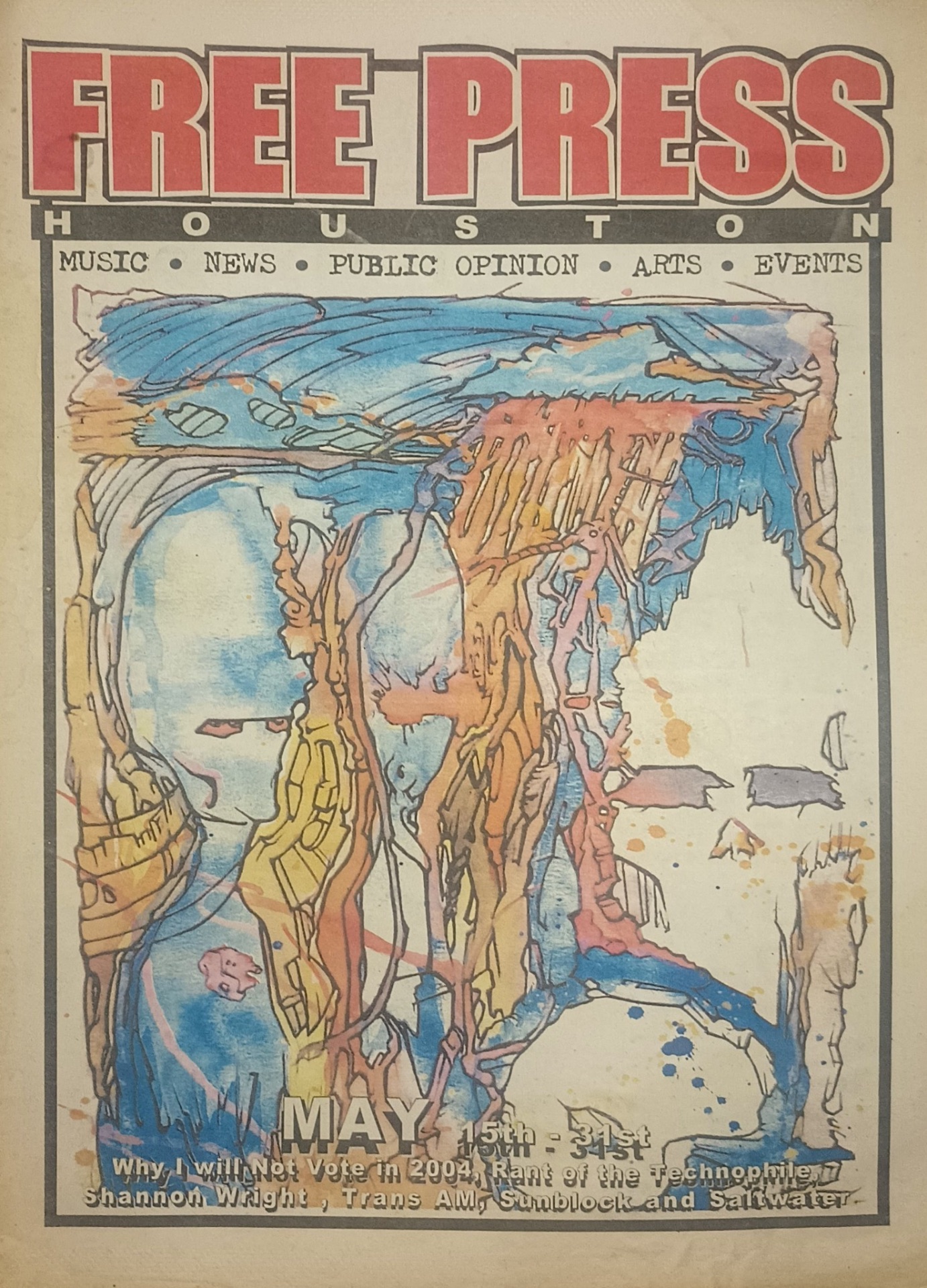
- HoustonFree Press Houston · — Deliberate date exception: founded 2003, so its real first issue is used. It is not presented as pre-1995.Free Press Houston · creator not identified in the source record.affiliated archive · editorial reproduction · Source record ↗ · Full original ↗
- AtlantaCreative Loafing · Creative Loafing Inc. · Georgia State University Library digital collection.editorial-reproduction · reuse clearance outstanding · Source record ↗ · Full original ↗
- AtlantaCreative Loafing · — Second Atlanta cover; does not add a market.Creative Loafing Inc. · Georgia State University Library digital collection.editorial-reproduction · reuse clearance outstanding · Source record ↗ · Full original ↗
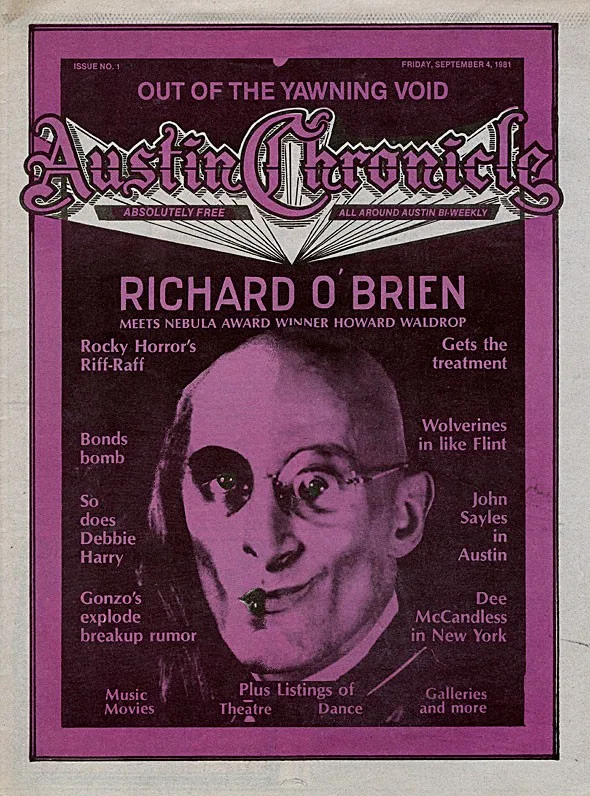
- AustinThe Austin Chronicle · The Austin Chronicle · publisher issue archive.editorial-reproduction · reuse clearance outstanding · Source record ↗ · Full original ↗
Not every major market is represented; this is the set of authentic scans verified for this preview. Copyrights remain with the respective publishers and creators.
How America’s alternative newspapers built local music economies—and what happened when the editors disappeared.
Read the featureContents · 12 chapters
2026The Manufactured Discovery Economy
There is something rather exhausting about discovering a band you like and then having to investigate whether you arrived at the opinion yourself. In 2026, Geese became the occasion for precisely this exercise. As WIRED reported in April, promotional firm Chaotic Good Projects had worked with the band and Cameron Winter, distributing performance and interview clips on TikTok. Discussion of the firm’s broader marketing methods soon became an argument about manufactured enthusiasm. An industry adept at selling music had acquired another task: explaining which parts of the applause were marketing.
The distinction matters. Geese subsequently said the work involved circulating clips, not fake fans, comments, or bots. Their actual audiences and critical reception were not erased by the existence of a promotional campaign. A good band can have a marketing budget; this need not occasion a congressional inquiry. What deserves attention is the uncertainty surrounding the recommendation. When something appears to come from an ordinary listener, we make assumptions about why it has appeared. Those assumptions become less reliable when apparently separate expressions of enthusiasm belong to a coordinated operation.
Music promotion has never been a monastery. Publicists, radio campaigns, street teams, and record-store displays all existed to encourage particular discoveries. The difference is that an advertisement generally announced its intentions. A signed review offered another sort of proposition: here is someone who has listened, formed an opinion, and put a name beneath it. You could disagree, sometimes for years, but you knew where the recommendation came from. Today’s feed can deliver the recommendation while leaving its origin politely out of view.
For a musician trying to fill a local room, this is more than an argument about authenticity. A million views spread across several continents can coexist with disappointing ticket sales on a Thursday in Houston. The relevant audience must be close enough to attend, interested enough to leave the house, and sufficiently persuaded to spend money on someone unfamiliar. Those are three separate achievements. A trusted local music writer could help with all three, without promising a million of anything.
This is where the alternative newspaper belongs in the story. It offered listings, advertising, interviews, photographs, and criticism, but its most valuable contribution was not simply distributing information. It could give an artist the editorial green light: somebody with a reputation, an address, and a continuing relationship with readers thought the work deserved attention. As those publications contracted, music did not lose the ability to circulate. It lost some of the people whose job was to listen carefully, explain what they heard, and persuade their neighbors that it might be worth an evening.
Why I keep coming back to Houston
I use Free Press Houston, Westheimer Block Party, Free Press Summer Fest, and Day for Night as the main landmarks here because I helped build them. I founded the paper in 2003 and worked on the events that followed. These are not examples selected from a distance. They are projects whose ambitions, practical difficulties, and occasional absurdities I know, with surviving records that allow more than memory to do the talking.
I also miss the world around them. Not every late deadline or unpaid invoice, certainly, but the gathering of disciplines: writers, editors, graphic designers, photographers, illustrators, people selling ads, people getting the finished paper into the city. The work belonged to considerably more people than the name on the publisher’s line. A newspaper was something you made together, and then handed to strangers who might find their own city inside it.
That affection deserves to be admitted rather than hidden behind a scholarly expression. It does not make every recollection evidence, or every decision we made a good one. Where the records and contemporary reporting can carry the story, I have let them. Houston gives me a place to begin, not permission to explain every other city. The question is what these institutions made possible, and how much of that possibility we have managed to carry forward.
Sources for this chapter 5
- WIRED reported in Aprilwired.com · Original reporting / source publication
- Geese subsequently saidpitchfork.com · Original reporting / source publication
- Westheimer Block Partyfreepresshoustonarchive.com · Affiliated archive / first-party material
- Free Press Summer Festfreepresshoustonarchive.com · Affiliated archive / first-party material
- Day for Nightfreepresshoustonarchive.com · Affiliated archive / first-party material
1970–2000When a Newspaper Could Show You Your City
The Village Voice, Chicago Reader, LA Weekly, Washington City Paper, and Creative Loafing belonged to different cities and had different temperaments. Their shared proposition was that the life around them deserved sustained attention, including the parts that did not arrive with a publicist. Music sat beside politics, film, neighborhood reporting, and arguments about what the city was becoming. You might pick up the paper for a concert calendar and leave with an opinion about a development project. The arrangement assumed readers could possess more than one interest.
A paper made connections almost incidentally. A review introduced a band; a calendar told you where it was playing; an advertisement made the venue familiar; a photograph supplied a face. None of these elements needed to bear the entire burden of discovery. They worked in company. The reader moved through a shared account of a place, encountering things an algorithm trained on previous preferences might have had little reason to suggest. There was room to be surprised by something you had not already instructed a machine to find.
The people making those pages learned from one another. A designer had to make an unfamiliar subject look worth reading. A photographer had to find something in a small, badly lit room that a press photograph would not reveal. An editor had to tell a promising writer that enthusiasm was welcome but the first three paragraphs were not. It was a practical education in judgment, often conducted under financial conditions nobody should feel obliged to romanticize. The skills were real even when the business plan was largely a deadline.
The format, city by city · New York 1975 · Atlanta 1972 · Boston 1983
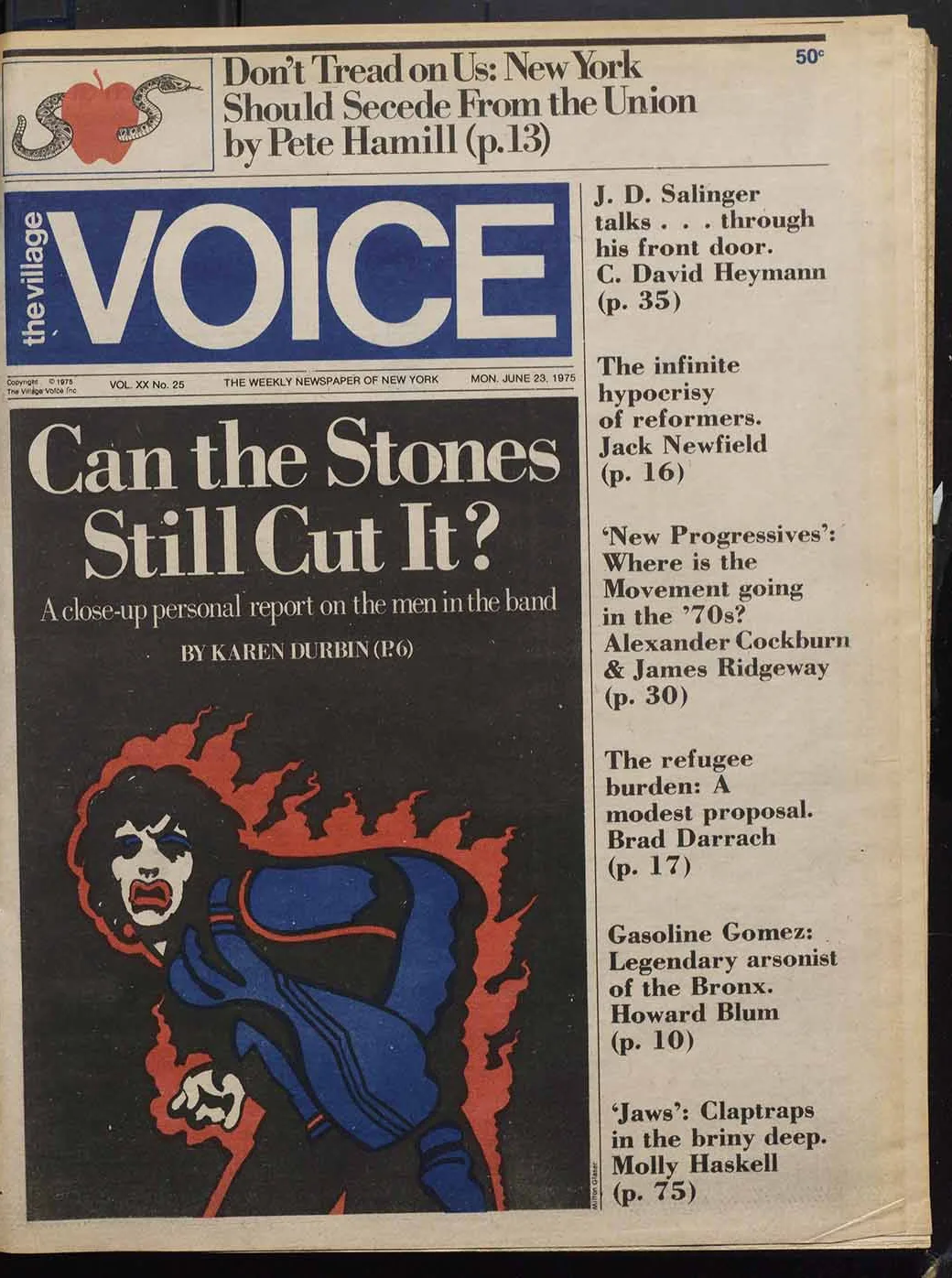
The Village Voice · design era of Milton Glaser · Village Voice archive scan. Source ↗
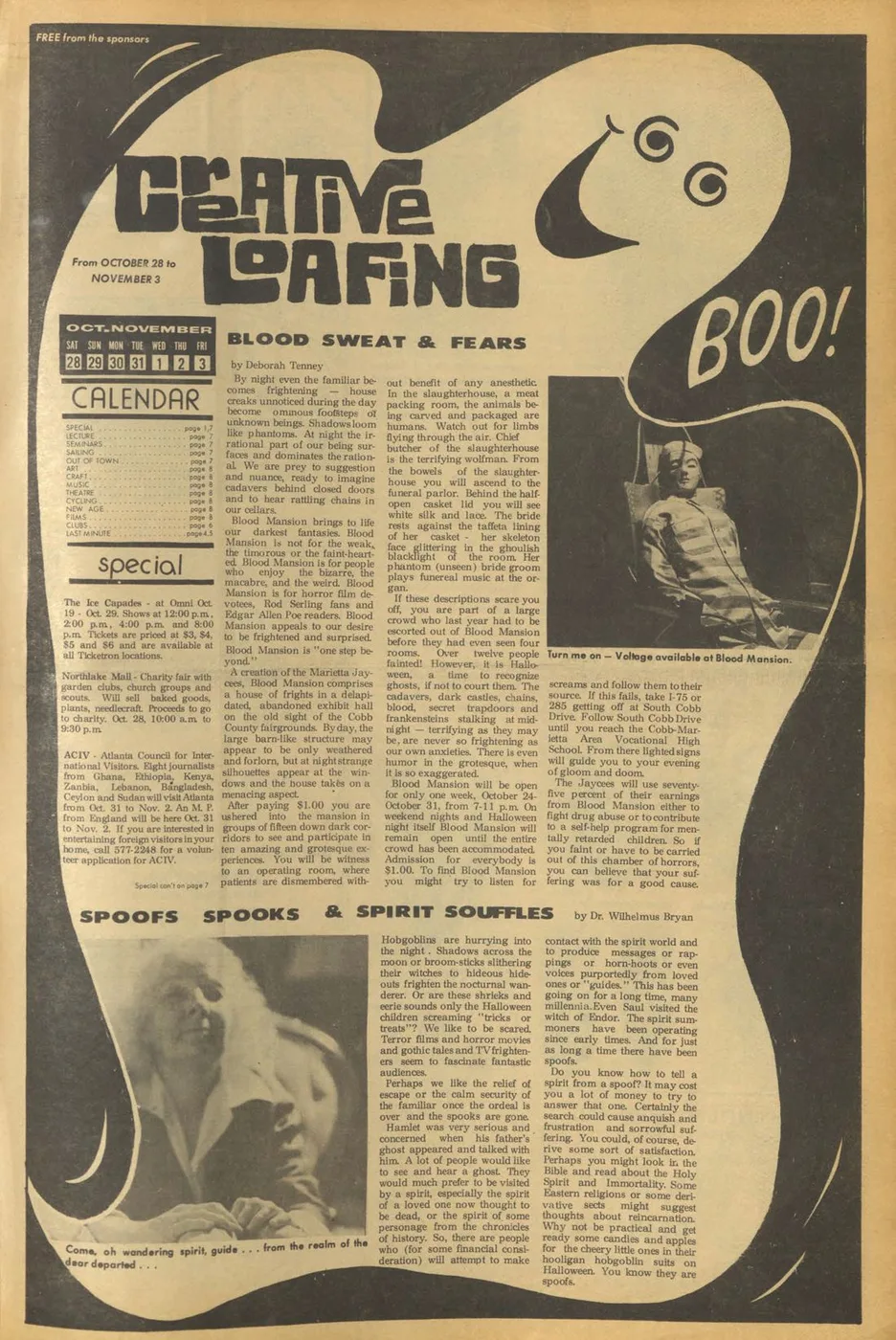
Creative Loafing Inc. · Georgia State University Library digital collection. Source ↗
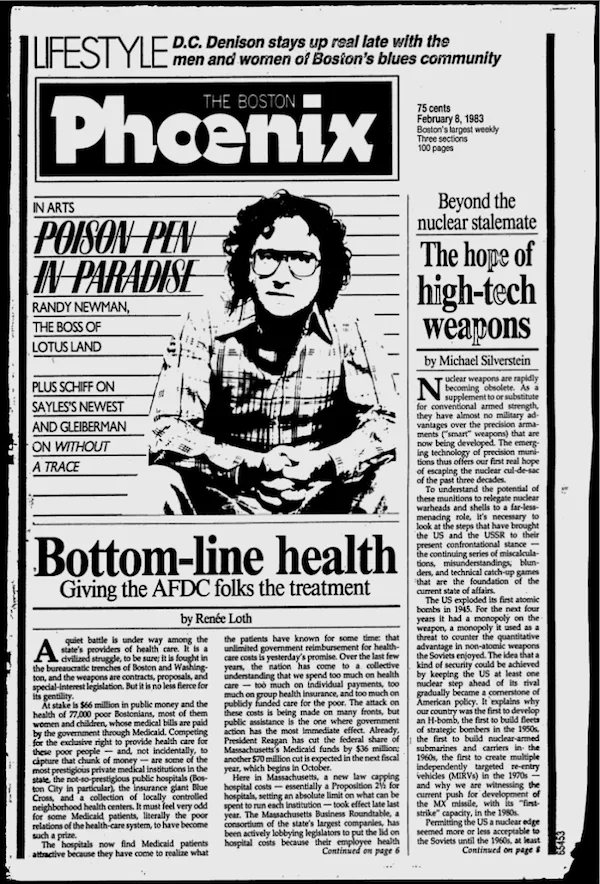
The Boston Phoenix · reproduced by Nieman Lab. Source ↗
That work gave musicians something they could use. A considered review could go into a press kit. A photograph could become the image by which a band was remembered. Repeated coverage could make a venue feel like a place with a history rather than a room available for hire. Each issue also left a record: who played, who wrote, who made the posters, who thought something mattered before anyone knew whether it would become commercially useful.
A finished issue also made the collaboration visible. You could see how a photograph changed the mood of a page, how an illustration made an argument without repeating the article, how a designer gave a difficult subject somewhere inviting to live. A reader did not need to know the production process to feel its effects. The pleasure was in encountering a thing with a character of its own, made by people who had agreed on enough to send it to press. There was room in that agreement for quite a lot of difference.
None of this requires pretending editors were saints. Some guarded their tastes as if national security depended on them; others missed entire communities. Digital publishing has made it easier to challenge those exclusions, a considerable improvement. What deserves preserving is not the exclusive right of a small group to pronounce on music. It is the willingness to spend time on it, to make an argument in public, and to remain answerable to the people who live where the music is happening.
Editorial historical reproduction from the affiliated preservation archive. Copyright remains with original creators; no Creative Commons license asserted.
Editorial historical reproduction from the affiliated preservation archive. Copyright remains with original creators; no Creative Commons license asserted.
How a scene found its audience
| Era | Relationship | Contribution |
|---|---|---|
| Local paper | Artists → writers / editors | Listening, criticism, interviews |
| Local paper | Photographers / designers → pages | Images, identity, visual judgment |
| Local paper | Venues / advertisers → paper | Listings and paid space; editorial boundary remains |
| Local paper | Paper → readers → local rooms | Introductions, shared memory, reasons to attend |
| Platform promotion | Promoter → platform → targeted audience | Campaign distribution and attributed responses |
Qualitative relationships described by the author. Lines and widths do not represent money, causal strength or vanished venues.
Sources for this chapter 0
2003Free Press Houston and the Editorial Green Light
Free Press Houston began in 2003, a monthly within the wider alternative-press tradition rather than, strictly speaking, a weekly. The distinction is worth keeping straight. Houston already had musicians, venues, photographers, artists, and audiences; we had not discovered an uninhabited cultural territory. The opportunity was to make another place where those people could find one another, and where the city’s less officially celebrated activities could receive attention on their own terms.
The paper’s origins were modest enough to resist a grand entrepreneurial narrative. In Aimee L. Bachari’s 2013 Houston History account, I described using a tax refund to get started before advertising helped cover costs. It was an undertaking that became more substantial through doing it. Publishing required decisions about what belonged, what could be afforded, and what had to be finished. An idea for a newspaper is pleasantly expansive; a printer requires a file.
Houston’s spread made the task meaningful. A music community can be active and still remain largely invisible to people a few neighborhoods away. A publication gives those separate worlds a common surface. It can introduce a performer to readers who do not share the performer’s immediate circle, or make an unfamiliar room seem less intimidating. The invitation is different from a sales pitch. It says that something is happening here, that somebody has taken the trouble to look, and that you might enjoy coming along.
The surviving archive is moving partly because it preserves the work surrounding the work. Covers, photographs, illustrations, advertisements, interviews, and layouts record the many decisions that made a publication recognizable. A cover was not just packaging for an article. It was a small public commission, a chance for an artist or designer to put something distinctive into circulation. The newspaper gave several creative disciplines a shared destination, and the city supplied the material.
Advertising paid for part of this arrangement, which made independence a daily practice rather than an attractive phrase. A venue buying space was entitled to the space, not a flattering review. The paper’s commercial value depended on a readership that trusted it enough to keep returning. Selling access to that audience without selling its judgment was the difficult, necessary bargain. It could help a local business and sustain cultural work at the same time, provided somebody continued to mind the boundary.
Sources for this chapter 4
- Free Press Houston began in 2003freepresshoustonarchive.com · Affiliated archive / first-party material
- Aimee L. Bachari’s 2013 Houston History accounthoustonhistorymagazine.org · Original reporting / source publication · November 20, 2013 (print: Houston History vol. 11 no. 1, Fall 2013; full article also issued as PDF)
- surviving archivefreepresshoustonarchive.com · Affiliated archive / first-party material
- Covers, photographs, illustrations, advertisementsfreepresshoustonarchive.com · Affiliated archive / first-party material
2005Westheimer Block Party and the Geography of a Scene
In October 2005, West Fest Compressed, an early version of Westheimer Block Party, took the relationships around the newspaper out into the street. The surviving programs and posters place the event around Westheimer and Taft, among Numbers, Helios, Mango’s, La Strada, and neighboring spaces. The existing neighborhood did much of the architectural work. Rather than construct an anonymous festival site, we connected places that already meant something to the people using them.
The appeal was simple and quite generous. Arrive for a band you knew, wander, and discover several you did not. Free admission meant that curiosity did not require another purchasing decision at every doorway. For performers, the audience was larger than their own mailing list; for the surrounding businesses, the gathering brought people into contact with places they might return to. It was the newspaper’s local map made walkable, with a rather more demanding sound system.
Contemporary reporting caught that intention before the larger festivals altered the scale of the story. In the Houston Chronicle’s 2007 account, I described wanting to keep music and art on Montrose’s streets. Another Chronicle report connected the gathering to the older Westheimer festival tradition. We were inheriting a local habit, not inventing the idea that people might enjoy sharing their neighborhood with artists.
Producing the thing was less effortless than attending it. Free admission did not persuade equipment, labor, or insurance to become free. The lack of dependable street-closure arrangements constrained what we could safely sustain as the event grew. My experience of those limits matters here, though it should not be mistaken for a complete municipal permitting history. The practical lesson was that an open, improvised gathering could become too large for the arrangements that had made it appealing.
Still, the work accumulated. Designers made posters, writers explained the program, photographers recorded it, crews learned the stage changes, and organizers learned which hopeful assumptions required revision. This was training in cultural production, distributed across a community rather than housed in a single company. The next festival did not begin with an empty contact book. It inherited relationships, skills, and an audience accustomed to the idea that these people might put on something worth attending.
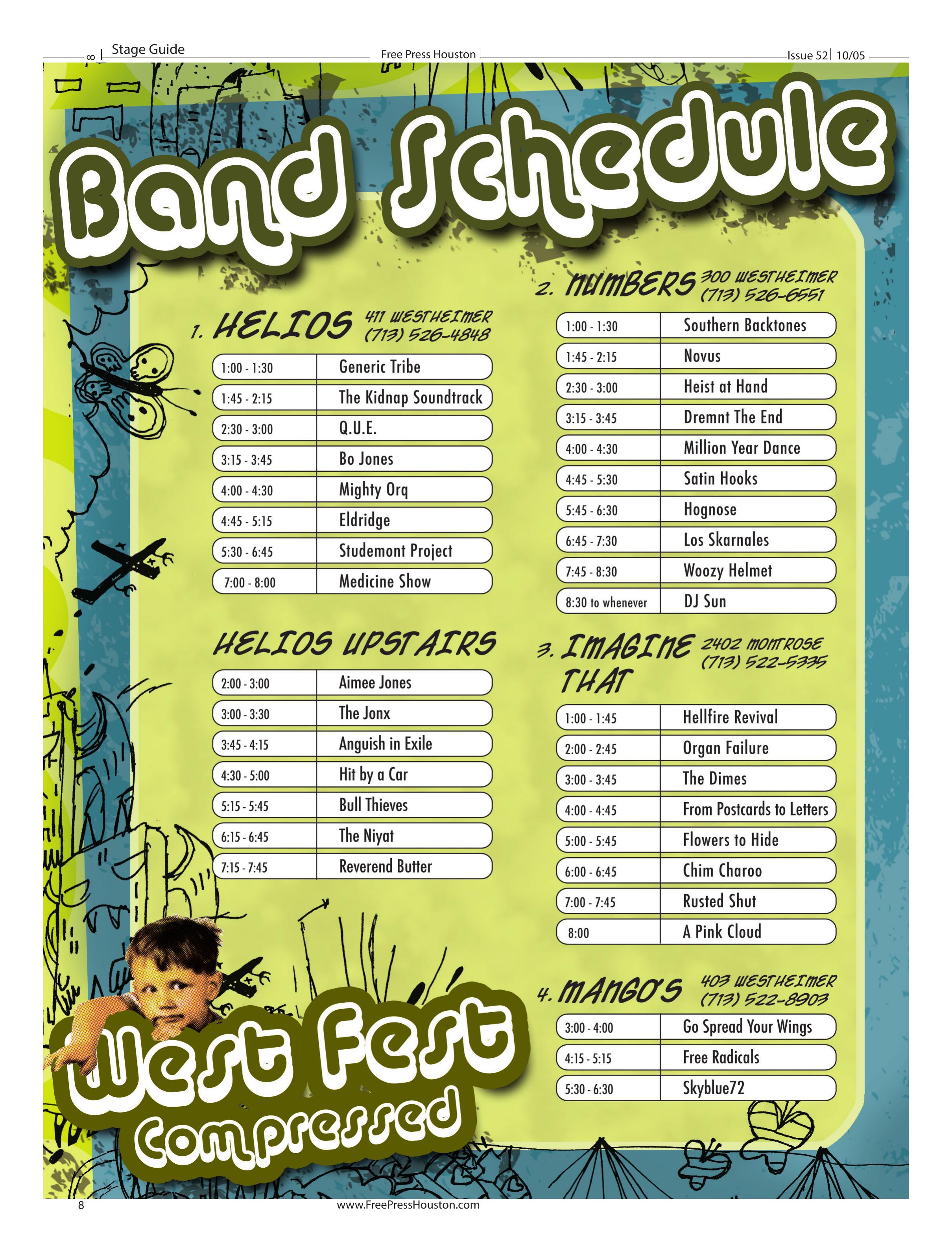
Editorial historical reproduction from the affiliated preservation archive. Copyright remains with original creators; no Creative Commons license asserted.
The neighborhood, in print
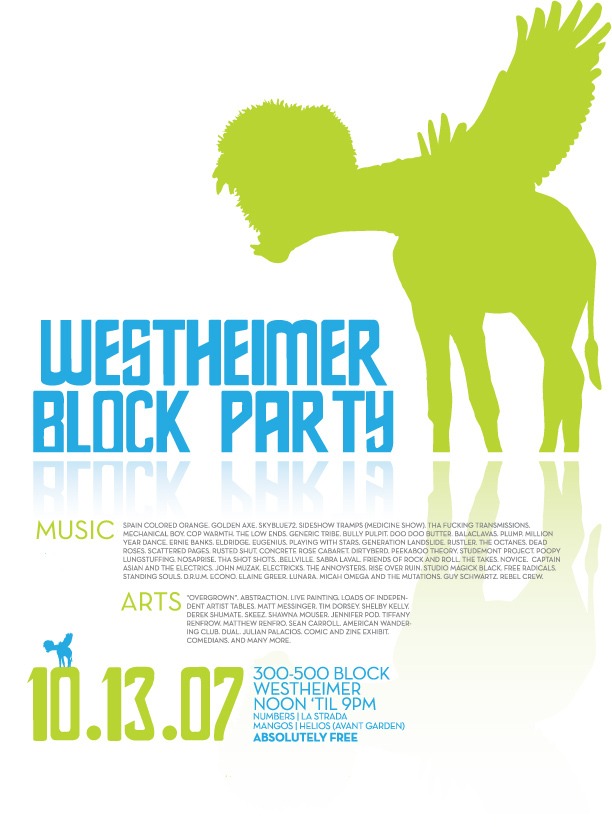
Editorial historical reproduction from the affiliated preservation archive. Copyright remains with original creators; no Creative Commons license asserted.
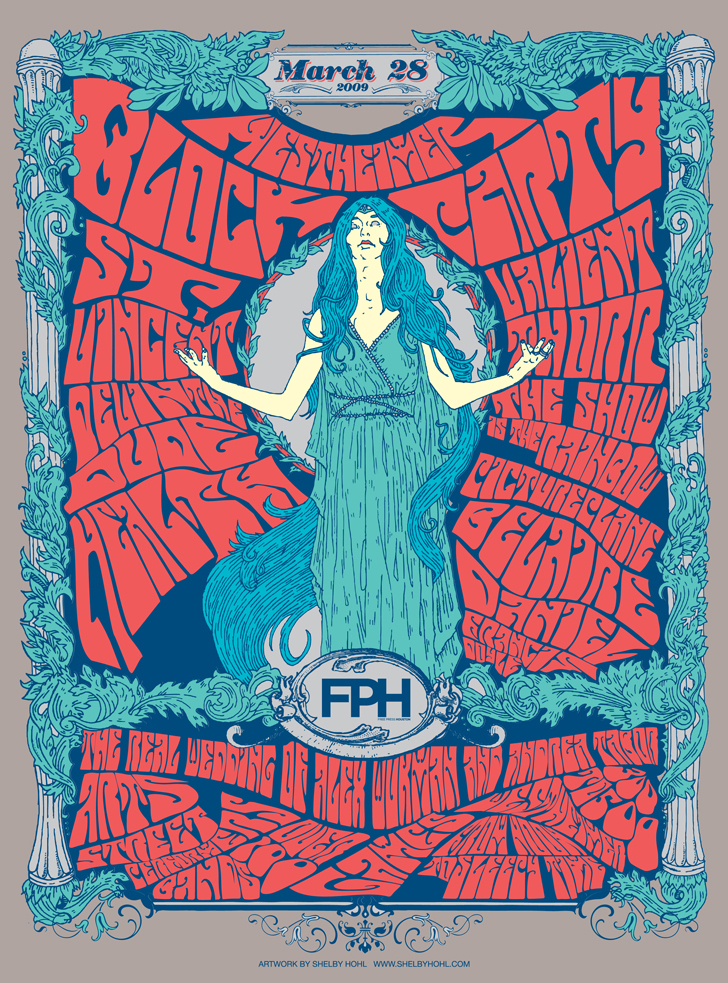
Editorial historical reproduction from the affiliated preservation archive. Copyright remains with original creators; no Creative Commons license asserted.
A paper, a street, a park, an experiment
| Period | Project | Archive |
|---|---|---|
| 2003 | Free Press Houston · monthly newspaper | Archive record ↗ |
| 2005 | West Fest Compressed / Westheimer Block Party | Archive record ↗ |
| 2009 | Free Press Summer Fest · with Pegstar | Archive record ↗ |
| 2015–2017 | Day for Night · music and visual art | Archive record ↗ |
Dates identify projects, not an automatic causal progression or a measured transfer of revenue. The archive is affiliated first-party preservation material.
Sources for this chapter 3
- Westheimer Block Partyfreepresshoustonarchive.com · Affiliated archive / first-party material
- the Houston Chronicle’s 2007 accountchron.com · Original reporting / source publication
- Chronicle report connected the gathering to the older Westheimer festival traditionchron.com · Original reporting / source publication
2009The Festival Uptick Begins—Free Press Summer Fest
Free Press Summer Fest arrived while recorded music was having an unpleasant encounter with arithmetic. The RIAA’s original 2009 shipment report valued the U.S. recorded-music market at about $7.69 billion, down 12.3 percent from 2008; physical formats fell 20.8 percent. Digital growth was not yet filling the hole. These are industry-level retail-value estimates, not an account of what musicians took home, but they describe the pressure surrounding the old business of selling recorded products.
Live performance consequently became an increasingly important place to look for income, though touring had always been essential for many independent acts. For artists and managers, the question was how performances, merchandise, and other earnings could support a career when record sales offered less reassurance. Festivals provided dates, fees, and opportunities to meet audiences assembled by a larger bill. They did not solve every working musician’s finances; exposure, regrettably, remained difficult to use at a gas station.
For young audiences, however, the proposition could be excellent. One ticket bought a day or weekend of music, with several artists they wanted to see and many they had not yet considered. Buying those experiences separately could cost much more. A festival made discovery part of the value rather than an additional risk: once inside, you could take a chance on the smaller stage without paying again. A good lineup offered both familiarity and permission to wander.
The inaugural FPSF, produced by Free Press Houston and Pegstar at Eleanor Tinsley Park in 2009, built on that logic and the experience of Westheimer Block Party. Contemporary Houston Press coverage and the University of Houston’s later account preserve the transition. Local relationships helped us assemble something larger without starting entirely from scratch. The publication brought an audience and a vocabulary; our collaborators brought their own knowledge, relationships, and considerable work.
From the other side of the fence, the economics were less leisurely. Artists, stages, power, sanitation, security, staffing, and insurance had to be committed before the audience arrived. Weather could revise an otherwise persuasive budget in an afternoon. A festival could be excellent value for its customers and a difficult proposition for its producer, both at once. Attendance, cultural achievement, and profit are related, but they are not interchangeable measures. Anyone who has paid the invoices learns that distinction rather quickly. The same imbalance is explored in Testset’s analysis of why independent festivals struggled as the industry consolidated.

Joe Van · CC BY 2.0.
Recorded music meets arithmetic
| Measure | Reported value | Denominator / boundary |
|---|---|---|
| Estimated recorded-music market | $7.69 billion | 2009 industry retail-value estimate |
| Total market year-on-year change | −12.3% | 2009 vs 2008 total market |
| Physical-format year-on-year change | −20.8% | 2009 vs 2008 physical formats |
Two declines, two denominators. Not artist take-home income; no time series or shared-base comparison is inferred.
Sources for this chapter 5
- RIAA’s original 2009 shipment reportdigitalmusicnews.com · Original reporting / source publication
- Free Press Summer Festfreepresshoustonarchive.com · Affiliated archive / first-party material
- Contemporary Houston Press coveragehoustonpress.com · Original reporting / source publication
- Aimee L. Bachari’s 2013 Houston History accounthoustonhistorymagazine.org · Original reporting / source publication · November 20, 2013 (print: Houston History vol. 11 no. 1, Fall 2013; full article also issued as PDF)
- Testset’s analysis of why independent festivals struggledtestset.media · Affiliated analysis
2010Live Nation, Ticketmaster, and the Larger Machine
At the same moment that local producers were learning to build festivals, the national concert business was combining several of its most consequential functions. The Justice Department allowed the Live Nation–Ticketmaster merger to proceed in 2010, subject to software licensing, divestiture, and anti-retaliation provisions. Promotion and primary ticketing would operate inside the same corporate group, with regulators relying on conditions intended to preserve competition. The conditions themselves acknowledged the problem: control at one point in the concert business could become leverage at another.
For independent promoters, this is not an abstract debate about corporate size. Putting on a show requires access to artists, dates, rooms, ticketing, and an audience. When a large integrated company occupies several of those positions, a smaller operator must negotiate in a market the larger business can influence from multiple directions. Integration can produce efficiencies and support investment. It can also make independence less a matter of preference than of how much room remains to operate.
The regulatory assurances required attention again in December 2019, when DOJ moved to strengthen and extend the decree after alleging violations. A new federal and state antitrust case followed in 2024. In March 2026 DOJ announced an agreement in principle, but states continued litigating. On April 15, a jury found antitrust violations involving ticketing and amphitheater promotion, according to New York’s attorney general. Live Nation disputed the verdict and said it would challenge adverse rulings. The jury’s liability finding is not the same thing as a completed breakup or final remedy, but it is considerably more than a collection of irritated customers.
None of this proves that Live Nation caused alternative newspapers to close. That would be a satisfying shortcut and a poor account of events. The relevant question is what happens when the businesses extracting revenue from a cultural community become larger and more integrated while the smaller institutions helping that community develop lose their footing. An efficient system for selling concerts is not necessarily a healthy system for producing the next generation of artists, promoters, photographers, or critics.
Free, local, listings-first · Austin 1981 · Los Angeles 1980
A merger is not a final remedy
| Date | Event | Evidence state |
|---|---|---|
| 2010 | Merger allowed subject to conditions | DOJ merger conditions |
| December 2019 | Decree strengthening and extension sought | DOJ alleged violations |
| 2024 | Federal and state antitrust case filed | Complaint / allegations |
| March 2026 | Federal agreement in principle | Agreement, not final judgment |
| April 15, 2026 | States’ jury liability verdict | NY attorney general’s account; company disputes verdict |
| June 12, 2026 | Proposed final judgment listed on DOJ docket | Proposed relief, not evidence of a completed breakup |
Docket retrieved October 28, 2026. Liability, proposed settlement, appeals and remedies are different states; no later remedial outcome inferred.
DOJ case docket · NY attorney general · Live Nation response ↗
Sources for this chapter 6
- Justice Department allowed the Live Nation–Ticketmaster merger to proceed in 2010justice.gov · Primary government record
- independent promoterstestset.media · Affiliated analysis
- December 2019justice.gov · Primary government record
- new federal and state antitrust case followed in 2024justice.gov · Primary government record
- New York’s attorney generalag.ny.gov · Primary government record
- Live Nation disputed the verdictnews.livenationentertainment.com · Primary company filing / statement
2010–2015When the Local Festival Grew Up
As FPSF expanded, the work acquired the less picturesque features of a substantial business. Bigger audiences required more infrastructure; more ambitious lineups required larger commitments. Sponsorship brought opportunities and obligations. The Houston Chronicle’s 2013 interview, its account of the festival’s continuing outsider spirit, and Houston Business Journal’s 2014 profile followed different parts of that growth. Looking back, those accounts are useful reminders that the enterprise was changing while we were still inside it.
A large outdoor festival is a temporary town whose residents expect entertainment rather than a discussion of its electrical requirements. Someone must provide transport, medical services, water, sanitation, food, safe movement, and enough power for the program. Professionalizing that work is a good thing. It also raises the financial threshold for participating. A local organizer with an excellent idea must now find not only an audience but sufficient capital to survive the period before that audience turns up.
The connections extended into civic life. In 2014, I joined Houston’s volunteer Arts and Cultural Plan Community Advisory Committee, an appointment recorded in the city’s announcement and the period’s Chronicle arts-committee coverage. The interesting point is not a personal credential. It is that people working in independent culture can become part of a city’s conversation about its future, bringing experience from places that do not always appear in an official cultural brochure.
The newspaper-to-festival relationship also carried a conflict worth admitting. A publisher producing an event has a financial interest in its reception. Our own enthusiasm was not equivalent to an independent review, and outside reporting matters for precisely that reason. The history shows what a publishing community could help build; it does not exempt the resulting business from scrutiny. Affection for the undertaking should make its account more attentive, not less honest.
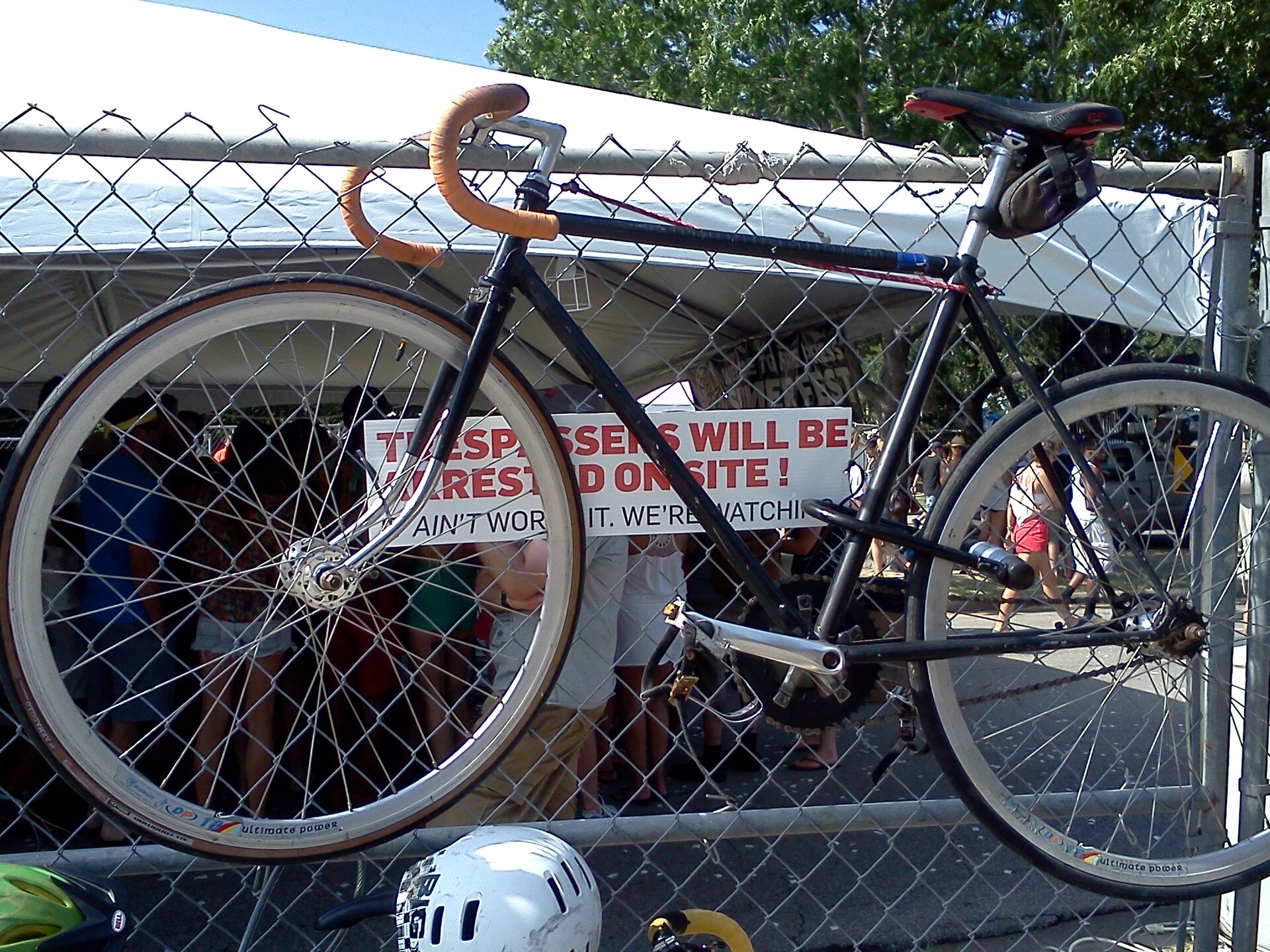
Satchimon · CC BY-SA 3.0.
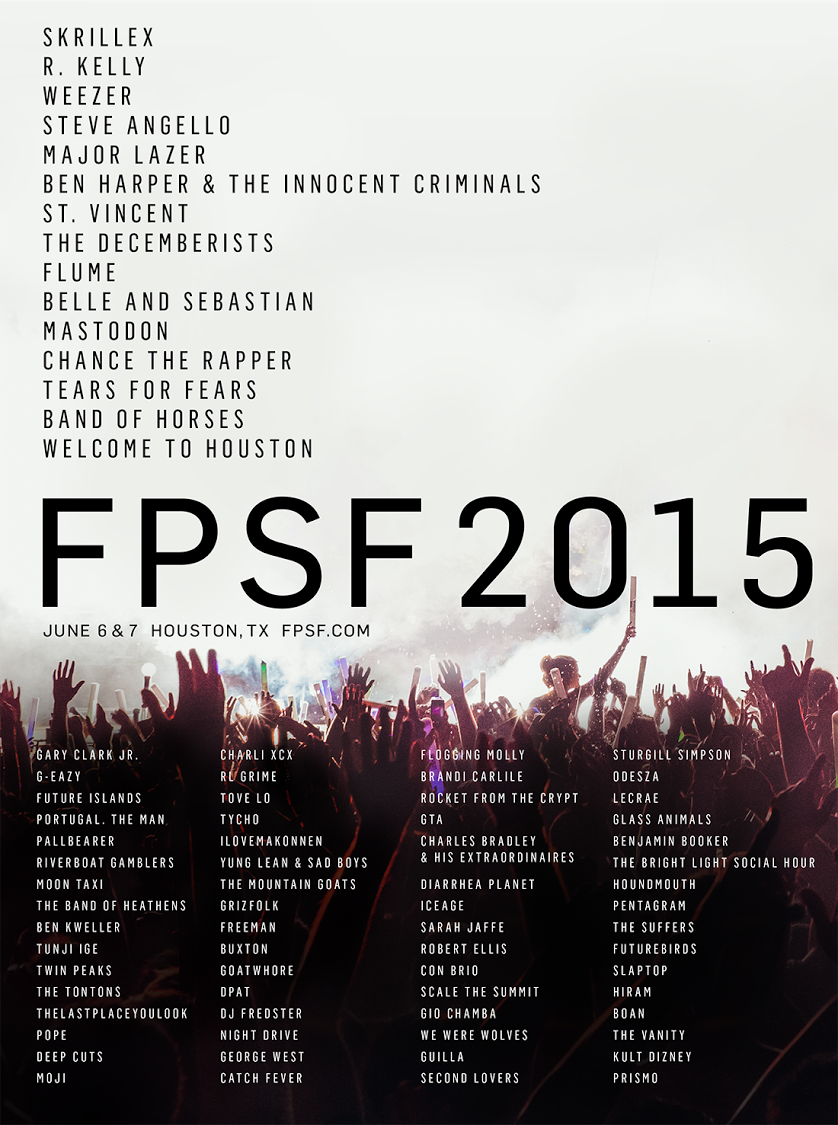
Existing project editorial reproduction of official festival-issued artwork; no CC license asserted.
Sources for this chapter 5
- Houston Chronicle’s 2013 interviewhoustonchronicle.com · Original reporting / source publication
- continuing outsider spirithoustonchronicle.com · Original reporting / source publication
- Houston Business Journal’s 2014 profilebizjournals.com · Original reporting / source publication
- city’s announcementhoustontx.gov · Primary government record
- Chronicle arts-committee coveragehoustonchronicle.com · Original reporting / source publication
2015–2017Day for Night and the Right to Be Ambitious
Day for Night began in 2015 with the idea that music and visual art could occupy the same event without one serving as decoration for the other. Chron’s interview before the inaugural edition caught the project before its identity had hardened into a retrospective description. The intention was to make the environment part of the reason to attend: a place to move through, encounter something unfamiliar, and occasionally forget which performance you had originally been heading toward.
There was a continuity with the paper that had little to do with putting its name on a festival. A good issue brought different disciplines into conversation without requiring them to become the same thing. Day for Night attempted something similar at a much larger scale. Musicians, digital artists, designers, technical crews, and producers had to make their work coexist. The ambition was collective, and its realization depended on people whose names rarely become the shorthand for an event.
Independent critics provided a record of what that effort produced. Glide’s review of the 2016 edition argued it might have been the year’s best music festival; Consequence named the 2017 edition its Festival of the Year. The Houston Chronicle’s December 2017 profile traced the longer path from publishing to festival production. These judgments mattered because they belonged to people evaluating the result, not to the people trying to sell it.
Praise, however, does not settle a fabrication invoice. Large installations require specialist labor, equipment, transport, power, and space; the audience may experience something effortless only because someone else has spent months making it possible. Cultural originality and commercial sustainability can pull in different directions. A city may benefit from an ambitious event without its producer finding a reliable way to recover the cost. That is not a reason to abandon ambition, but it is a reason to stop confusing recognition with a functioning business model.
What stays with me is the possibility of the progression: a paper, a gathering across a few blocks, a park full of performances, then an experiment that brought music and digital art into a shared environment. None followed automatically from the previous one. Each required other people, new skills, money, and luck. Still, the early institution had helped those relationships accumulate. It had given people reasons to work together before anyone could demonstrate the size of the eventual opportunity.
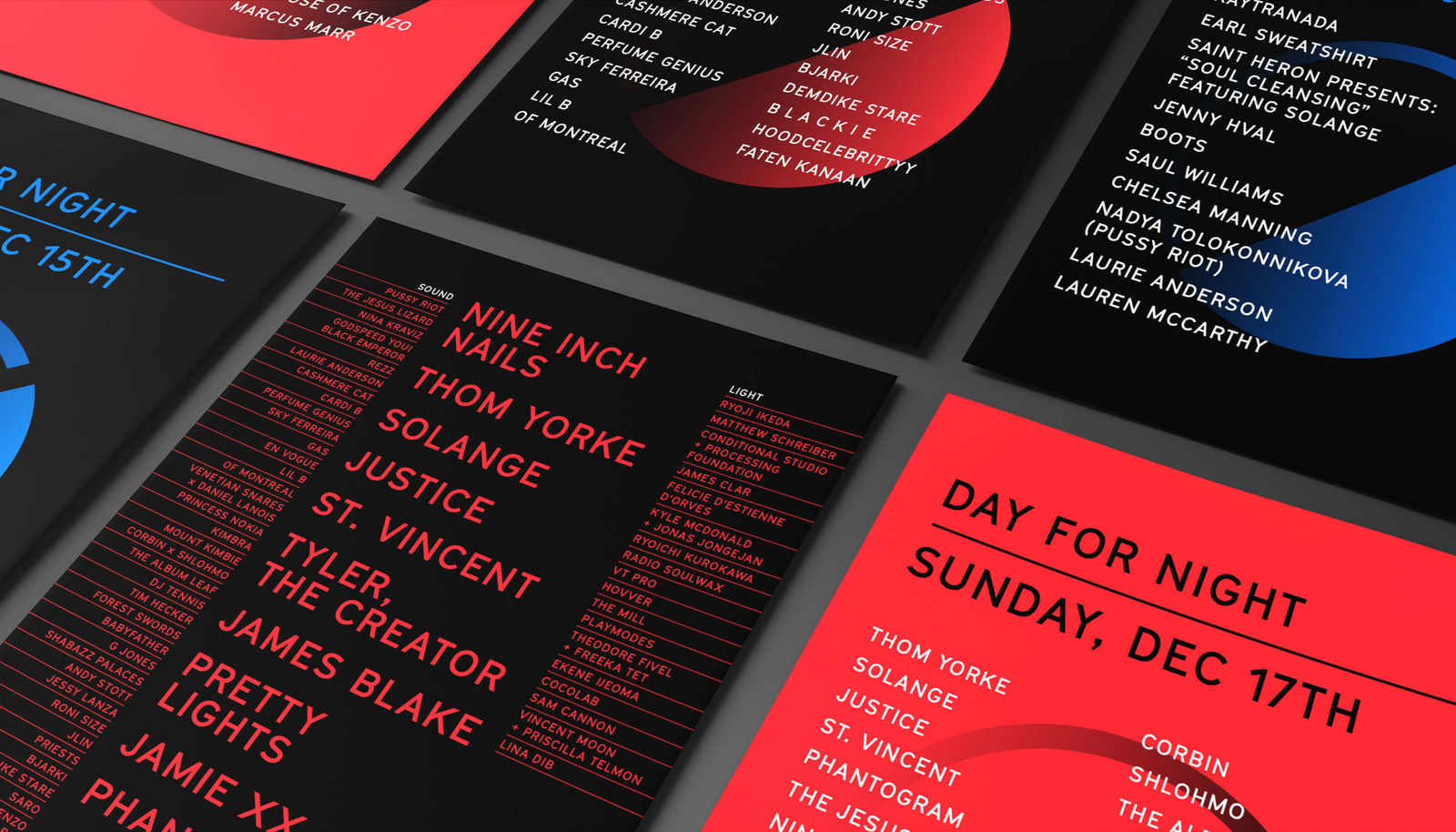
Existing project creator-archive editorial reproduction; copyright retained by creator, no blanket license asserted.
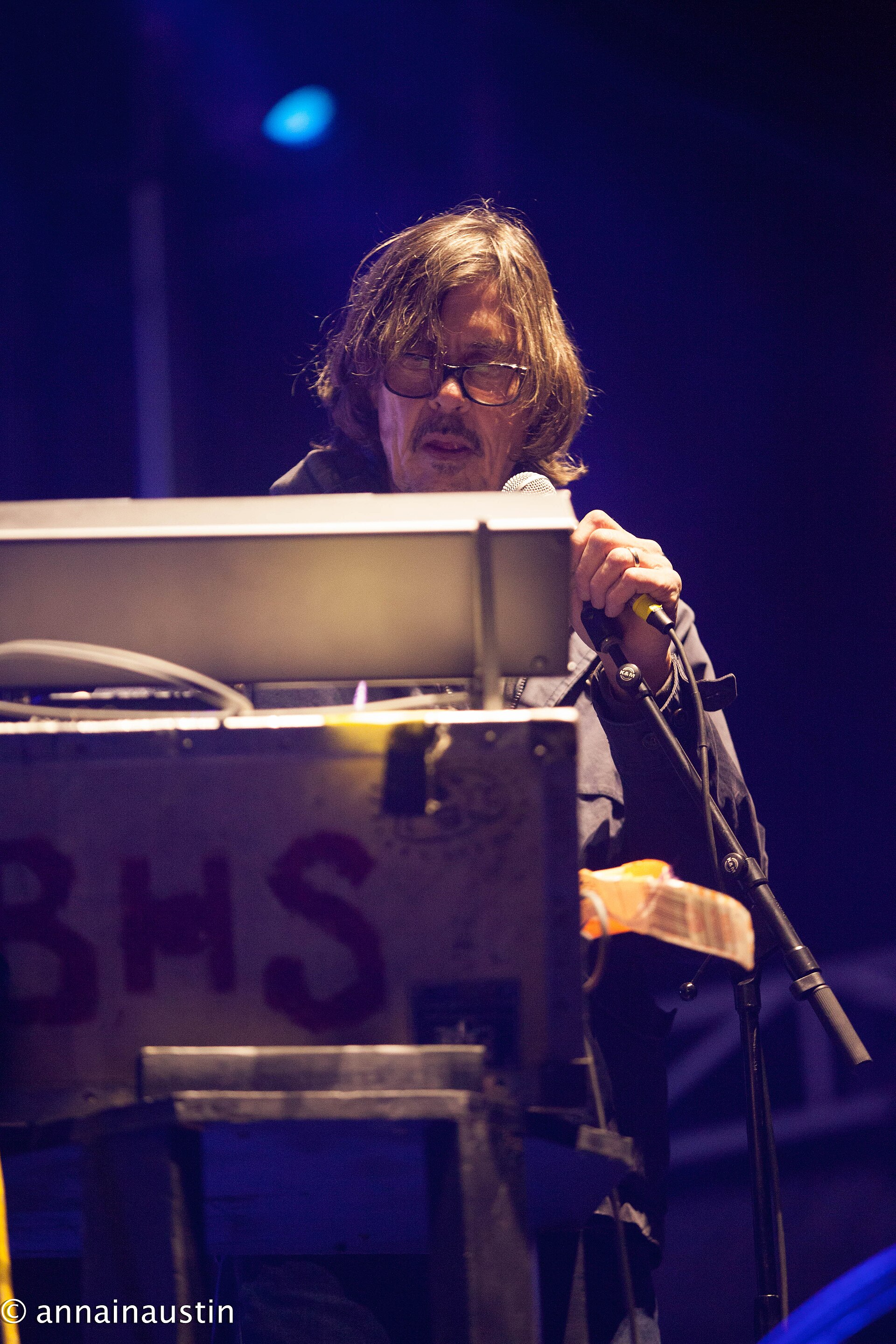
Anna Hanks · CC BY 2.0.
Sources for this chapter 5
- Day for Nightfreepresshoustonarchive.com · Affiliated archive / first-party material
- Chron’s interview before the inaugural editionchron.com · Original reporting / source publication
- Glide’s review of the 2016 editionglidemagazine.com · Original reporting / source publication
- Consequence named the 2017 edition its Festival of the Yearconsequence.net · Original reporting / source publication
- Houston Chronicle’s December 2017 profilehoustonchronicle.com · Original reporting / source publication
2003–2018The Back Pages and the Balance Sheet
There is a less comfortable part of this history, and affection for old newspapers is not a reason to leave it out. Some of the journalism we miss was supported by advertising we should examine rather more closely. In his 2017 Texas Observer account, Michael Hardy traced the Houston Press’s expansion after its 1993 acquisition by New Times partly to the arrival of adult advertising. The money and the work were connected, even when the people doing the work had little say over which advertisements accompanied it.
At Free Press Houston, we chose not to accept advertising from sexually oriented businesses. It was a matter of principle, not evidence that we had discovered an unusually comfortable way to finance a newspaper. The printer, unfortunately, did not offer a discount for principles. We competed for local advertising with a larger paper that accepted money from categories we had ruled out.
The corporate alternative press was not immune to the concentration it so often criticized elsewhere. In January 2003, the Justice Department sued New Times and Village Voice Media over an agreement to close competing papers in Los Angeles and Cleveland, leaving each company without its former rival in one market. The settlement required divestitures and relief for affected advertisers. That case concerned those two cities, not our Houston accounts. It nevertheless complicates the comforting picture of small rebellious newspapers facing only external commercial threats. An alternative sensibility was evidently not a substitute for competition law.
Front pages of the weekly habit · Miami 1992 · Atlanta 1975
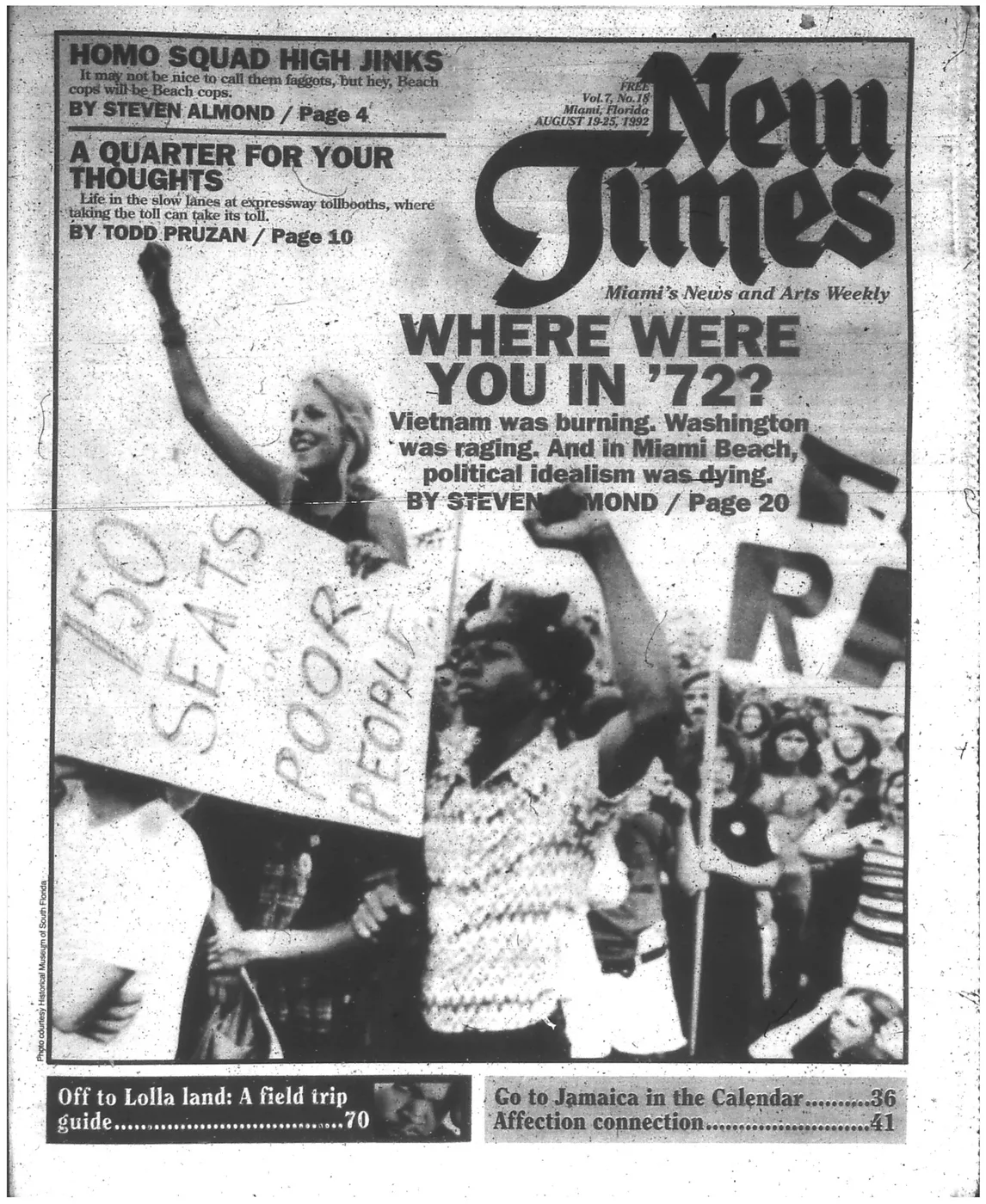
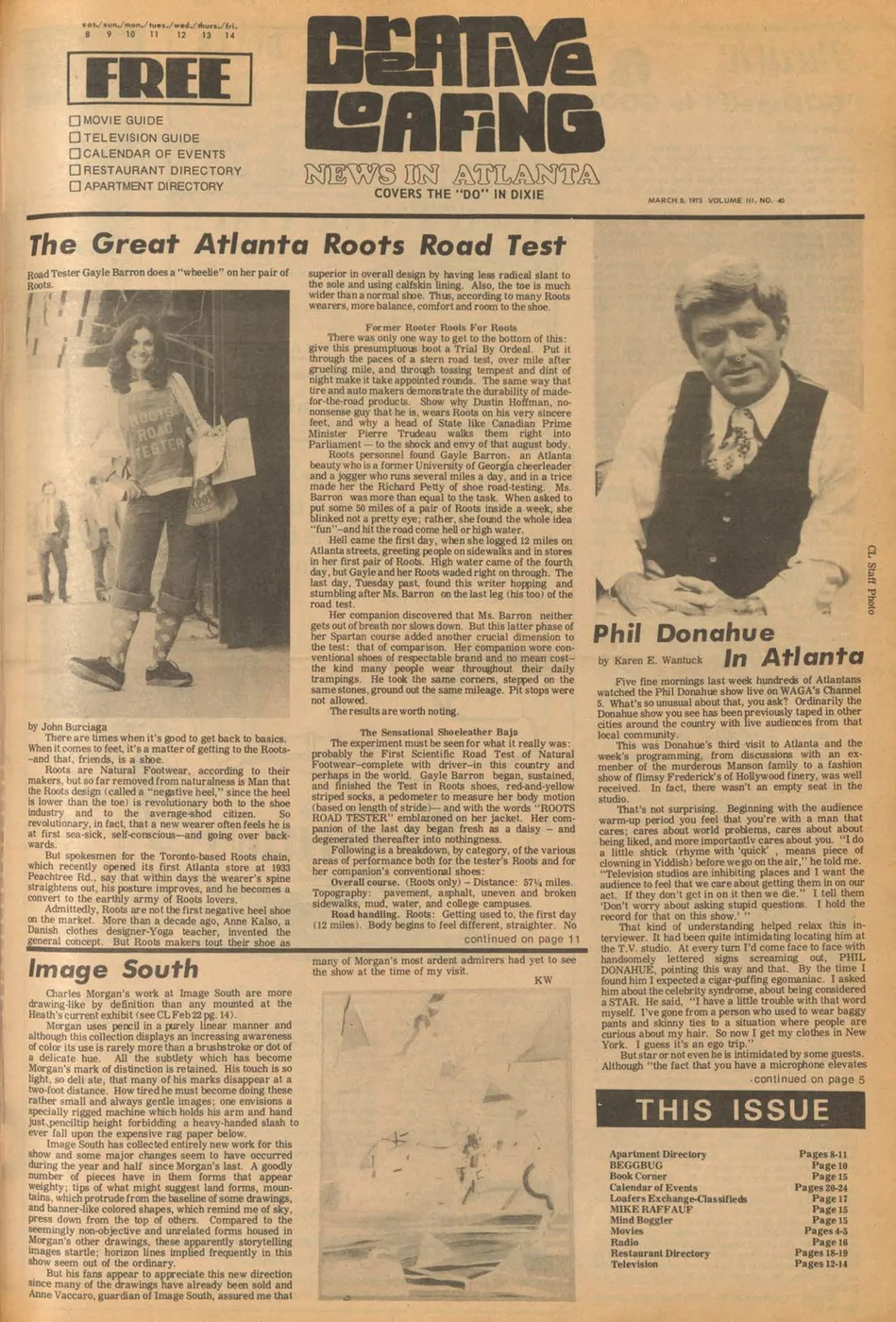
The online business then became considerable. A 2017 Senate investigation traced Backpage’s 2004 launch to the loss of print classifieds to Craigslist and documented gross revenue rising from $5.3 million in 2008 to $29 million in 2010. Those are figures for the website, not the Houston Press’s print advertising, and they do not tell us how much reached any particular newsroom. They establish the scale of a business that shared its corporate origins with the newspapers but developed a different economic trajectory.
By 2012, the controversy was affecting other advertising relationships as well. A contemporaneous Senate account reported that several companies withdrew advertising after lawmakers pressed them over Village Voice Media’s ownership of Backpage. That September, the Houston Press announced its sale alongside twelve other newspaper properties and the national advertising arm to the new Voice Media Group; Backpage was excluded. Separation was not the same as ending adult advertisements. As Salon confirmed with the new company, the print papers initially retained their existing offerings, including escort and massage-parlor ads.
The tightening of standards came later that year, with an acknowledged financial cost. In December 2012, Village Voice editor Will Bourne announced stricter adult-advertising rules across the chain, describing their implementation as coming “at no small cost to the bottom line.” The policy required age identification and other assurances, restricted photographs and language, and barred advertisers known to engage in illegal activity. This was the publisher’s own acknowledgment that setting a firmer boundary would mean turning away business, not a retrospective guess about what the ethical position might have cost.
Free Press Houston was reporting on that boundary at the time. Amanda Hart’s February 2013 investigation, “Breaking the Chain,” examined the new rules and reproduced a response from the Houston Press, relayed through Bourne, saying it had removed about 20 percent of advertisements in those sections because advertisers had not supplied the paperwork. That is a reported reduction in a particular category of ads, not a 20 percent fall in the paper’s total revenue. Even with that distinction, the account shows the practical collision between tighter standards and the advertising business. The paper could refuse an advertisement; the missing income still required replacing.
The federal Backpage prosecution belongs to a later chapter. In April 2018, DOJ announced the site’s seizure and guilty pleas, including CEO Carl Ferrer’s plea to a conspiracy involving prostitution facilitation and money laundering. That was not the 2012 newspaper sale, nor a prosecution of every newspaper that had once shared an owner. The Houston Press had already ended print publication in November 2017. Hardy’s account of that decision reported management’s explanation of severe advertising losses after Hurricane Harvey. The chronology does not permit us to make the later seizure the cause of the earlier closure.
Nor should adult advertising, consensual sex work, and trafficking be treated as interchangeable terms. Hart’s original investigation explicitly distinguished them; its accompanying editorial note also acknowledged the Houston Press’s valuable journalism and our own purchases of advertising there to promote events. Competition did not make its reporting worthless. What this history adds is a less flattering, more useful account of the business: classifieds migrating online, controversy driving some advertisers away, a corporate separation, and stricter rules narrowing an existing revenue stream. There is no audited total here for the effect on local music coverage, and no warrant for applying one chain’s experience to every alternative paper.
We can miss the reporting without wishing every means of paying for it back into existence. The challenge is to preserve the writer’s time, the photographer’s assignment, and the designer’s room to experiment without treating every old source of revenue as part of the cultural inheritance. A better future for independent publishing has to answer both questions: what is worth keeping, and what we are prepared to accept to keep it alive.
The back pages: keep the dates separate
| Period | Record | Scope |
|---|---|---|
| 2003 | New Times / Village Voice civil antitrust settlement | Los Angeles and Cleveland, not Houston accounts |
| 2012 · September | Newspaper sale; Backpage excluded | Corporate separation; adult ads initially remained |
| 2012 · December | Adult-ad standards tightened | Publisher acknowledged bottom-line cost |
| 2013 · February | Amanda Hart: Breaking the Chain | Reported ~20% reduction in specified ads, not total revenue |
| 2017 · November | Houston Press ends print | Contemporary account cites post-Harvey ad losses |
| 2018 · April | Backpage seizure and guilty pleas | Later federal criminal proceeding; not cause of earlier print closure |
Adult advertising, consensual sex work and trafficking are not interchangeable. No audited newsroom revenue allocation or causal music-coverage estimate is established.
Sources for this chapter 9
- 2017 Texas Observer accounttexasobserver.org · Original reporting / source publication
- January 2003, the Justice Department sued New Times and Village Voice Mediajustice.gov · Primary government record
- 2017 Senate investigationtexasattorneygeneral.gov · Primary government record
- contemporaneous Senate accountblumenthal.senate.gov · Primary government record
- Houston Press announced its salehoustonpress.com · Original reporting / source publication
- Salon confirmed with the new companysalon.com · Original reporting / source publication
- stricter adult-advertising rules across the chainvillagevoice.com · Original reporting / source publication
- “Breaking the Chain,”freepresshoustonarchive.com · Affiliated archive / first-party material
- April 2018, DOJ announced the site’s seizure and guilty pleasjustice.gov · Primary government record
2008–2026What Disappeared Was More Than Paper
There is no single date on which the alternative press disappeared, and describing every survivor as a ghost would be both inaccurate and rude. Some publications closed; others changed owners, reduced frequency, went digital, or found different ownership models. The Chicago Reader’s 2022 nonprofit transition and Washington City Paper’s decision to end regular print publication that year illustrate different responses to pressure. The name on a masthead tells only part of the story; the people still available to fill its pages tell the rest.
The broader contraction remains severe. Medill’s 2026 State of Local News report counted 170 newspapers closed or merged in the preceding year and more than 7,500 newspaper jobs lost between 2024 and 2025. Those figures cover the wider newspaper industry, not alternative weeklies alone. They establish the scale of the surrounding retreat, not a count of missing music critics. A national chart cannot tell you which local photographer no longer receives assignments or which developing artist has nobody following the second record.
The losses are specific before they become statistical. A publication with fewer people may still cover the obvious shows while losing the capacity to spend an afternoon with a band nobody has heard of. It may publish photographs without commissioning the person who knows the scene. It may maintain a calendar while no longer explaining why the rooms in it matter. The information survives in thinner form, and it becomes possible to mistake continued publication for continued attention.
We cannot responsibly place declining newspaper and venue counts on the same chart and announce that one caused the other. Rents, redevelopment, licensing, touring costs, changing habits, and the pandemic all belong in the account. The evidence assembled here does not establish a national causal estimate. It does show why losing a music desk can matter even when the venue remains open: fewer introductions, less independent scrutiny, less continuity, and less of a public record for the people making the scene.
For those of us attached to the print era, it is worth being precise about the longing. I do not miss having fewer ways to hear music. I miss the expectation that a city’s creative life deserved the coordinated attention of several different kinds of people. The writer, photographer, editor, and designer were not redundant packaging around a concert listing. Their work helped make the event intelligible, memorable, and worth seeking out. When their opportunities disappear, a city loses more than an efficient way to announce Friday.
The missing assignments behind the headline
| Measure | Reported magnitude | Period / scope |
|---|---|---|
| Newspapers closed or merged | 170 | Preceding year · all newspapers |
| Newspaper jobs lost | More than 7,500 | 2024–2025 · all newspapers |
Not the alternative-weeklies subset, not venue closures, not a count of music critics. These two observations do not make a trend series.
Sources for this chapter 4
- Chicago Reader’s 2022 nonprofit transitionnews.wttw.com · Original reporting / source publication
- Washington City Paper’s decision to end regular print publication that yeardcist.com · Original reporting / source publication
- Medill’s 2026 State of Local News reportlocalnewsinitiative.northwestern.edu · Institutional report
- The losses are specific before they become statisticaltestset.media · Affiliated analysis
2014–2026The Dashboard Replaces the Local Ad Rep
The economic shift becomes clearer when we follow the promotional machinery. A CitizenNet case study describes Live Nation Clubs and Theaters turning to its social-advertising technology in 2014. The company’s centrally managed touring division reportedly improved results by changing when it spent during a campaign. CitizenNet claimed a 30 percent lower average cost per ticket than local markets and an eightfold advertising return. These are a vendor’s case-study results, not independently audited industry averages, but they reveal the appeal of measuring and comparing campaigns across a large organization.
The scale is considerable. Live Nation’s 2025 annual report records $731.6 million in advertising expense within direct operating costs and another $59.8 million within selling, general and administrative expenses: $791.4 million combined. It reports approximately 159 million concert attendances, a measure that includes festival-day counting rather than 159 million distinct individuals. The filing does not tell us how much advertising went to Meta, Google, newspapers, or any particular local outlet. Those missing allocations should not be supplied by indignation. A separate Testset investigation follows the rising price of concerts and the industry’s increasingly premium-minded approach to audiences.
What we can examine is the incentive. Facebook and Instagram advertising offers a promoter ways to reach selected audiences and measure responses, while centralized buying allows results to be compared across markets. A local publication offers something less neatly attributable: an audience shaped over time by criticism, reporting, photographs, and repeated encounters with the city’s music. The first can make a persuasive presentation about this week’s ticket sales. The second may have helped create the interest that made the presentation possible.
Music on the cover · Seattle 1984 · Denver 1984
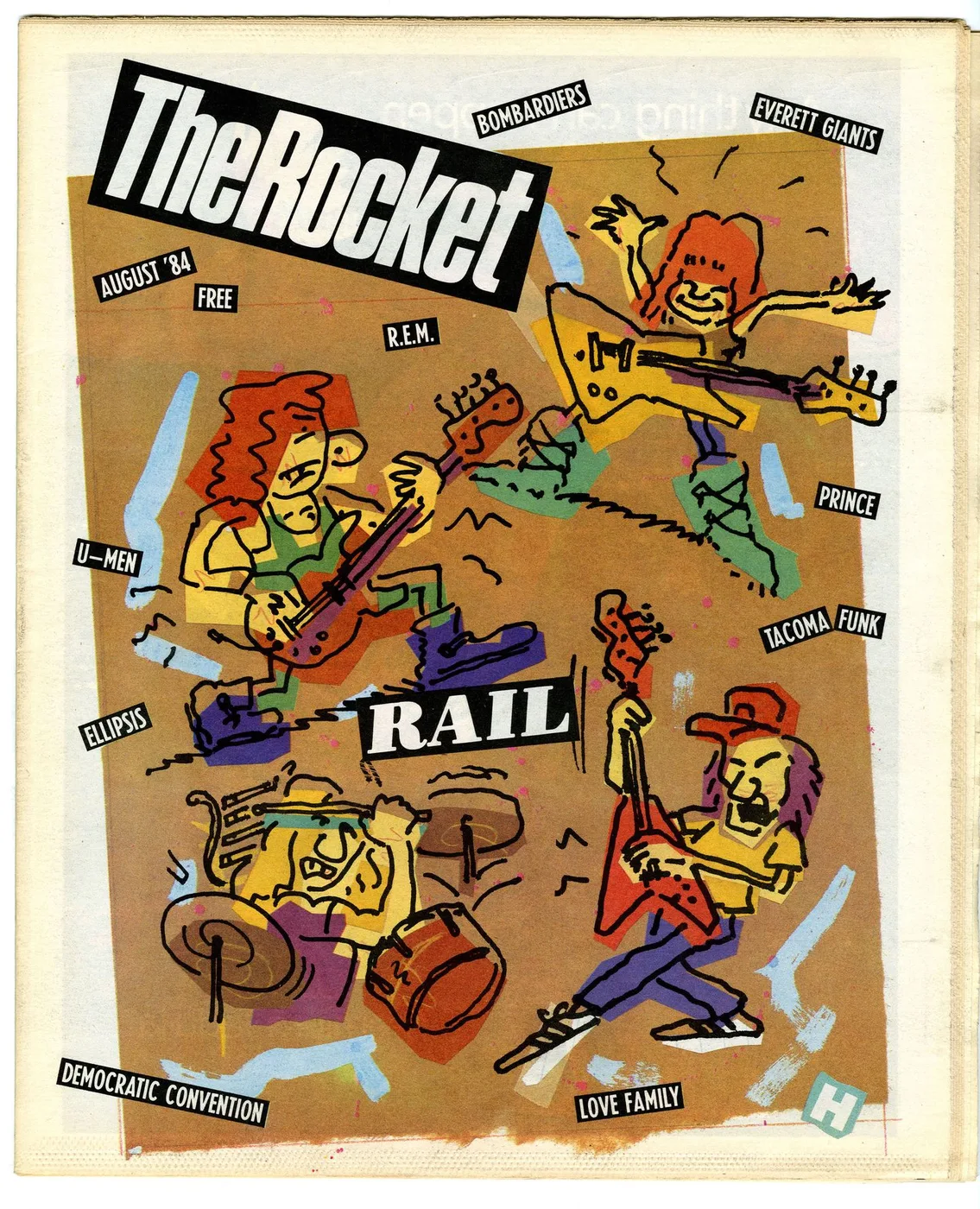
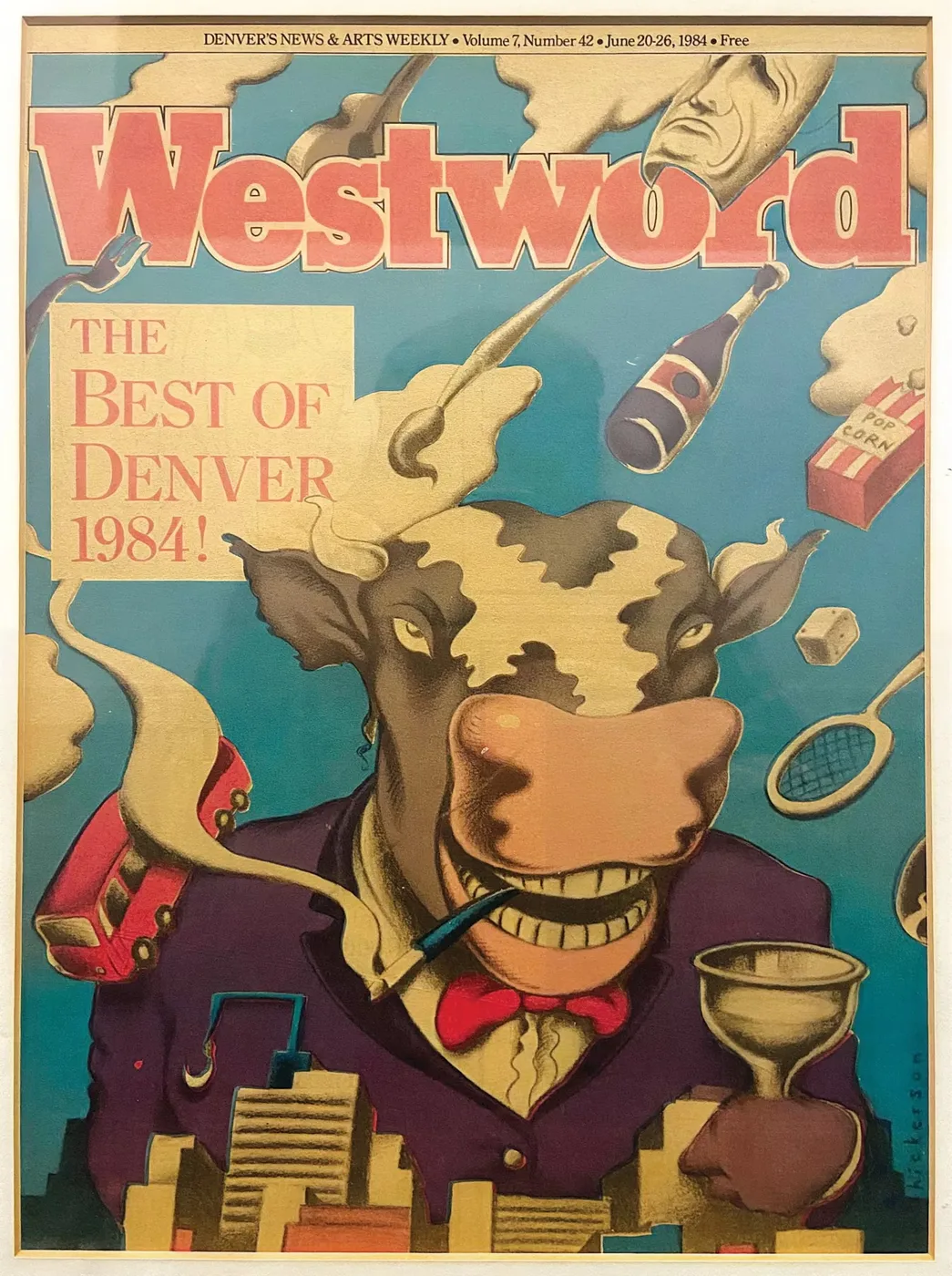




That is the uncomfortable part of the new arrangement. The final advertisement can receive credit for a purchase whose origins lie months earlier in a feature, a recommendation, or an evening at a small room. Spending naturally gravitates toward the activity that produces the clearest receipt. It is harder to defend a budget for slowly developing taste, particularly when the benefits may arrive later and be shared with competitors. The market is capable of rewarding the last step while leaving the earlier work looking suspiciously inefficient.
This is not an argument that digital advertising is useless or that promoters should ignore results. It is an argument about what those results leave out. A music economy needs people willing to attend before the show becomes an obvious purchase. It needs artists to be interpreted before they become recognizable targeting categories. The machinery for finding customers can become very sophisticated while the work of creating curiosity is left to smaller institutions with less reliable income. The question of what genuine human performance is worth in an age of abundant synthetic media also runs through Testset’s essay on live music after AI.
Live Nation did not need to convene a meeting about the disappearance of local criticism for this imbalance to matter. Nor is there a verified ledger here proving that a specified sum moved from alternative papers into Meta’s accounts. The documented consolidation of live entertainment and the growth of performance marketing are enough to raise the question. If an industry benefits from communities that others spent years helping to build, what does it contribute to the people building the next ones?
What the advertising ledger actually says
| Accounting component | Advertising expense | Boundary |
|---|---|---|
| Direct operating costs | $731.6m | Company filing |
| Selling, general and administrative | $59.8m | Company filing |
| Combined | $791.4m | 731.6 + 59.8; not channel allocation |
| Concert attendances | Approximately 159m | Includes festival-day counting; not unique people |
| CitizenNet case study | 30% lower cost / ticket; 8× advertising return | Vendor claim, separate 2014 campaign case |
Channel allocation not disclosed. No Meta / Google / print shares or verified newspaper-budget transfer. CitizenNet results are not audited industry averages.
Live Nation 2025 annual report; separately, CitizenNet vendor case study ↗
Sources for this chapter 5
- promotional machinerytestset.media · Affiliated analysis
- CitizenNet case studycdn.featuredcustomers.com · Vendor case study
- Live Nation’s 2025 annual reportinvestors.livenationentertainment.com · Primary company filing / statement
- Testset investigation follows the rising price of concertstestset.media · Affiliated analysis
- Testset’s essay on live music after AItestset.media · Affiliated analysis
2026AAN and the People Keeping the Lights On
There is a reason not to finish this story by folding the paper one last time and turning out the light. AAN still represents a living community of publishers. The nonprofit trade association describes a membership of more than 120 news organizations across North America, whose print and digital publications reach millions. It began in 1978 as the Association of Alternative Newsweeklies with 30 papers; in 2024 it shortened its name to AAN to reflect a wider independent-media membership. The lineage matters, but so does the willingness to keep making room.
Its work is practical: training, advocacy, conferences, shared resources, and help with the revenue problems that stand between good intentions and another edition. Its stated commitments include local news, culture and the arts, narrative reporting, individual freedoms, and attention to communities overlooked elsewhere. There is room in that description for disagreement, awkward questions, and stories that make powerful neighbors uncomfortable. That is part of the value: local journalism as a responsibility to a place, not merely an opportunity to collect traffic.
The practical help is visible in the present tense. In October 2026, AAN announced a second group of 12 publishers for its Tech Stack Checklist program, supported by the Google News Initiative. The program pairs publishers with coaches and offers $5,000 grants to participants who complete it and receive approval for their spending plans. Site performance, email delivery, and security are hardly the usual subjects of a stirring defense of the arts. They can, however, determine whether a small newsroom reaches its readers and earns enough to commission the next piece.
There is something particularly admirable about that persistence. The romantic image of independent publishing tends to favor the cover, the investigation, or the critic who recognized an artist early. Less attention goes to the people finding a sustainable way to pay for the next assignment. Training a publisher to improve revenue may not look like cultural preservation. Yet it can help keep a photographer working, a designer employed, and an editor available to make a young writer better. The unglamorous work is often what allows the memorable work to exist.
Even AAN’s regular cover showcase offers a useful correction to the idea that this tradition belongs entirely to the past. The visual conversation continues. People are still deciding how to make their communities visible, how to turn a local story into an image someone will stop to examine. For anyone who remembers the pleasure of seeing a finished issue, there is comfort in that continuity. More importantly, there is work being made now, by people who deserve more than our retrospective appreciation.
This is where cultural preservation needs a slightly more ambitious definition. Saving old newspapers, photographs, and posters matters enormously. The Free Press Houston Archive exists because work can vanish remarkably quickly when nobody keeps track of it. But preservation cannot consist only of rescuing the remains after the people who made them have lost their place to work. We should be interested in preserving the conditions under which the next good photograph, review, illustration, and unreasonable local idea can be made.
That means treating independent arts journalism as part of a city’s cultural life, not as a free promotional service adjacent to it. It means paying contributors, supporting publications readers actually use, and buying advertising without expecting to purchase editorial approval. It means arts institutions and local businesses recognizing that the people documenting a scene are helping sustain its memory and its audience. AAN’s member directory offers one place to find publishers still attempting that work; the obligation to value it extends beyond the association.
The future need not arrive on newsprint. A good local publication can live on a screen, in a newsletter, on the radio, or across several forms at once. What matters is that it retains people who know the place, who can exercise judgment independently, and who have enough time to notice something before it becomes fashionable. The old papers were never valuable merely because they were printed. They were valuable because somebody cared enough to make them, and other people came to trust that care.
I would like the next generation to have its own version of that experience: a writer being taken seriously, a designer making something bolder than the brief, a photographer returning with an image nobody else saw, an unfamiliar band finding listeners who live close enough to turn up. They do not need to inherit our old rooms or our opinions about records. They need paid assignments, people willing to teach them, and somewhere to publish before anyone can be certain the work will attract an audience. We gave those papers away. That was a way of inviting people in, not a judgment on the value of what was inside.
Sources for this chapter 6
- AANaan.org · Primary association publication
- describes a membershipaan.org · Primary association publication
- announced a second group of 12 publishersaan.org · Primary association publication
- regular cover showcaseaan.org · Primary association publication
- surviving archivefreepresshoustonarchive.com · Affiliated archive / first-party material
- member directoryaan.org · Primary association publication
Contemporary reporting
and further reading
Original sources remain linked in the essay and chapter registers. The Free Press Houston Archive and Testset are affiliated material, not independent endorsement. Interviews preserve the subject’s statements; vendor case studies and sponsored material are not audited editorial conclusions.
- Houston PressFPSF’s Journey From Crazy Idea to Civic Institution Chris Gray’s 2015 interview documents the festival’s growth, production work and creative collaboration · Interview · February 19, 2015
- Houstonia MagazinePeek Inside the Weird, Wonderful World of Day for Night 2017 Independent photo essay · December 18, 2017
- ABC13 HoustonDay for Night Lineup Includes Nine Inch Nails, Solange Independent news coverage · September 20, 2017
- Houston Public MediaVideo: Day for Night Festival Independent public-media coverage · December 17, 2015
- Houston PressHow FPSF Rebuilt a Festival In Less Than Two Weeks Independent news feature · June 23, 2015
- VICEIs Texas America's Next Big EDM Capital? Independent magazine feature · January 24, 2017
- VICE:::Extremely Seinfeld Voice::: What's the Deal with Composers at Music Festivals? Independent magazine feature · January 30, 2017
- VICEWhy a Music Festival Let the World Believe a Harambe Hologram was Part of Its Lineup Independent magazine feature · September 16, 2016
Source links were last checked October 28, 2026. Access restrictions on a publisher’s site do not establish that an article has been removed.